How to Create a Relaxing Home Workspace for Better Focus
Creating a relaxing home workspace is essential for maintaining focus and reducing stress, especially as many people continue to work from home. A calm and comfortable environment can enhance your productivity and make your workday more enjoyable. Whether you have a dedicated room or a small corner, you can transform your workspace into a peaceful retreat with a few thoughtful adjustments. Here are practical steps to help you design a relaxing home workspace that supports your work and well-being.
Why a Relaxing Workspace Matters
Working in a cluttered or noisy environment can increase stress and make it difficult to concentrate. A relaxing workspace helps you:
– Improve focus and efficiency
– Reduce feelings of overwhelm or anxiety
– Encourage a positive mindset throughout the day
– Maintain a better balance between work and personal life
Now that we understand the benefits, let’s look at how to create this kind of space.
Choose the Right Location
Find Natural Light
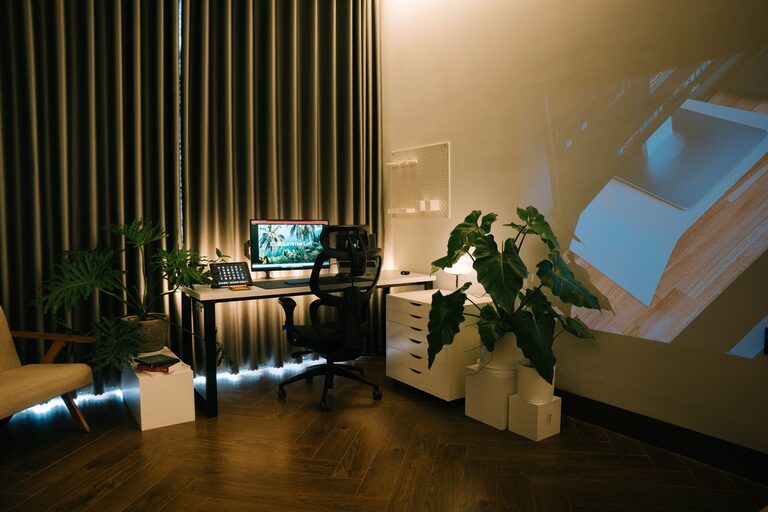
If possible, set up your workspace near a window. Natural light not only brightens your room but also helps regulate your sleep cycle and improve mood. If natural light is limited, use soft, warm artificial lighting instead of harsh fluorescent bulbs.
Consider Quietness and Privacy
Pick a spot where you can minimize distractions from other household activities. A corner in a less-trafficked room or a small nook can work well. If complete privacy isn’t possible, noise-canceling headphones or a white noise machine can help block out background noise.
Declutter and Organize Your Desk
Keep Essentials Only
Having a clean desk frees your mind. Remove unnecessary items and keep only what you use daily, such as your computer, notebook, and a pen. Store other supplies in drawers or cabinets.
Use Organizers
Invest in desk organizers such as trays, cups, or file holders to keep your items neat. Organizing paperwork and accessories reduces visual clutter and helps you find things more quickly.
Add Comfort Elements
Invest in Ergonomic Furniture
Choose a chair with good lumbar support and a desk at the right height to prevent strain. It’s worth spending time finding furniture that supports good posture, as comfort greatly influences relaxation and productivity.
Use Soft Textiles
Add a cushion or a soft throw to your chair. A small rug can also make the space feel cozier. These touches add warmth and comfort without crowding your workspace.
Personalize Your Environment
Use Calming Colors
Colors affect mood. Soft blues, greens, or neutrals tend to be calming and can help reduce stress. You don’t have to repaint the room; even accessories like desk mats, wall art, or curtains in these tones can have an impact.
Decorate with Plants
Plants improve air quality and add a touch of nature, which can be soothing. Small potted plants like succulents or peace lilies are low-maintenance options that brighten your desk without taking up much space.
Include Inspirational Elements
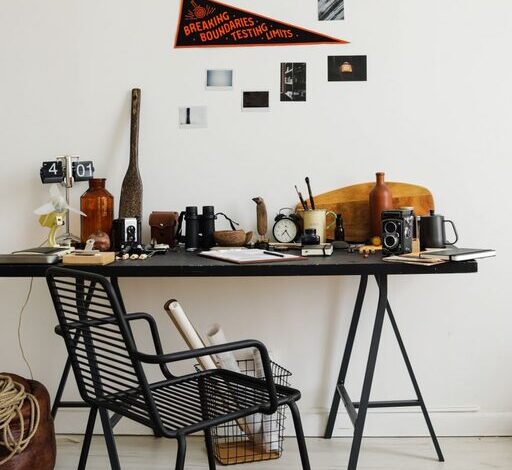
Add a few personal touches that inspire you, such as motivational quotes, photos, or artwork. These can help keep you motivated while maintaining a positive atmosphere.
Manage Technology Wisely
Keep Cords Tidy
Tangled cords create visual chaos. Use cable organizers or clips to keep cables out of sight. A clean setup reduces distractions and improves your focus.
Limit Notifications
Turn off non-essential notifications on your computer and phone during work hours. This prevents interruptions and helps you stay in the flow.
Create a Relaxing Routine
Take Regular Breaks
Even in a calm workspace, it’s important to step away periodically. Use techniques like the Pomodoro method—work for 25 minutes, then take a 5-minute break. Stretch, hydrate, or briefly change your scenery.
Introduce Soothing Sounds
Many people find instrumental music, nature sounds, or white noise helpful for relaxation and focus. Experiment with different options to see what helps you concentrate.
Keep it Clean
A relaxing workspace should be maintained regularly. Schedule a few minutes each day to tidy your desk and wipe surfaces. A clean space contributes greatly to a peaceful work environment.
Final Thoughts
Creating a relaxing home workspace doesn’t require a complete makeover. By choosing the right location, decluttering, adding comfort, and personalizing your area, you can build a space that supports both your productivity and well-being. Remember, the goal is to make your workspace a place where you feel calm, focused, and ready to tackle your day.
Try some of these tips and adjust them to fit your preferences and needs. A comfortable and relaxing environment might just be the key to making work-from-home days more enjoyable and effective.