
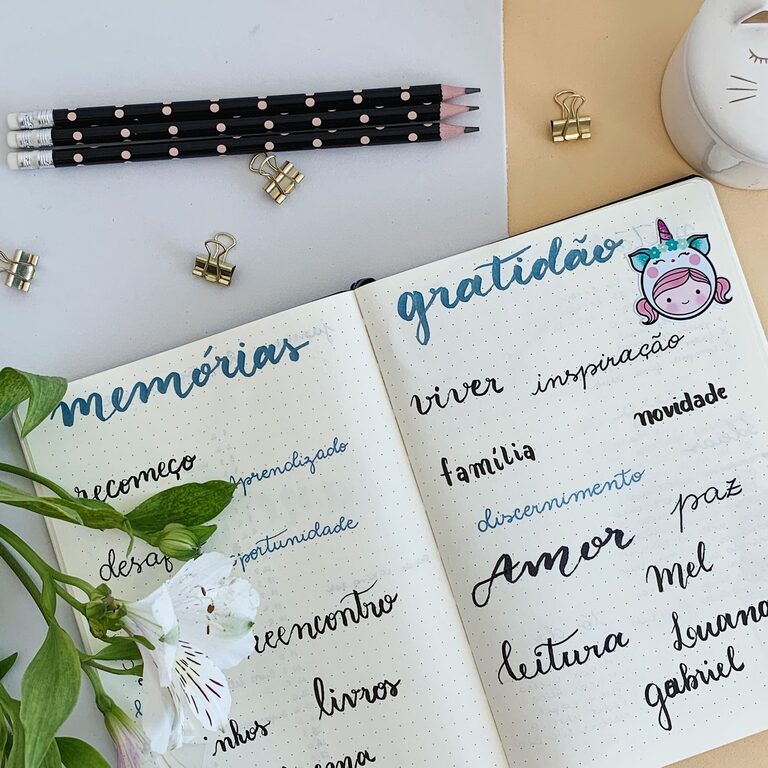
How to Start a Gratitude Journal and Transform Your Daily Life
Gratitude journaling is a simple yet powerful practice that helps you focus on the positive aspects of your life. By regularly writing down things you are grateful for, you can shift your mindset, reduce stress, and increase overall happiness. If you’ve been thinking about starting a gratitude journal but aren’t sure where to begin, this guide will walk you through the process step-by-step.
What is a Gratitude Journal?
A gratitude journal is a personal notebook or digital document where you record moments, experiences, or things you appreciate each day. Unlike a diary or a journal focused on events and emotions, a gratitude journal specifically highlights what you feel thankful for. The purpose is to bring attention to the good in your life, even during challenging times.
Benefits of Keeping a Gratitude Journal
Before diving into how to start, it helps to understand why gratitude journaling is beneficial:
– Improves mental well-being: Focusing on positive experiences can reduce feelings of anxiety and depression.
– Enhances mindfulness: It encourages living in the moment and appreciating small details.
– Boosts optimism: Regular practice can rewire your brain to notice good things more naturally.
– Strengthens relationships: Feeling thankful can improve your connection with others.
– Increases resilience: Gratitude helps you cope better with stress and setbacks.
How to Get Started with Your Gratitude Journal
Starting a gratitude journal doesn’t require any special skills or materials. Here’s a simple approach to get going:
1. Choose Your Journal Format
Decide whether you prefer a physical notebook or a digital app. Both have their advantages:
– Physical journal: Writing by hand can be more personal and mindful, giving you a break from screens.
– Digital journal: Apps or simple documents allow easy access, editing, and can include photos or voice notes.
Choose whatever feels most comfortable and convenient for you.
2. Set a Consistent Time
To build a habit, pick a regular time each day to write in your gratitude journal. Common times include:
– Morning, to start your day on a positive note
– Evening, as a reflection before bed
– Anytime a few minutes are free during the day
Consistency matters more than duration. Even a few minutes daily can make a difference.
3. Keep It Simple
Start by listing 3 to 5 things you are grateful for each day. They don’t have to be big or extraordinary. Examples include:
– A kind word from a friend
– A sunny day
– Enjoying your favorite meal
– Time spent with family or pets
– A moment of peace or laughter
You can write full sentences or just short phrases — whatever feels easier.
4. Use Prompts if Needed
If you’re unsure what to write, prompts can help spark ideas. Some examples:
– What made you smile today?
– What is something you often take for granted?
– Who in your life are you thankful for and why?
– What is a small success you experienced recently?
– What is something beautiful you noticed today?
5. Reflect and Review Regularly
Every few weeks, take time to read back through your entries. This helps reinforce positive feelings and shows you how your gratitude practice is growing over time.
Tips for Maintaining Your Gratitude Practice
Here are some helpful strategies to keep your gratitude journaling consistent and meaningful:
– Be honest and specific: Instead of general statements like “I’m grateful for my family,” try “I’m grateful for the phone call I had with my sister today.”
– Include challenges: It’s okay to acknowledge difficulties while finding something positive in the situation, like lessons learned or support received.
– Make it enjoyable: Personalize your journal with colors, doodles, or stickers if that motivates you.
– Combine with other habits: Pair gratitude journaling with meditation, deep breathing, or reading to create a calming routine.
– Avoid pressure: If you miss a day or two, don’t worry. Simply pick it up again without guilt.
Common Mistakes to Avoid
To get the most out of your gratitude journal, watch out for these pitfalls:
– Being repetitive: Try to find new things to appreciate to keep your practice fresh.
– Focusing only on big events: Small, everyday moments often have the biggest impact on well-being.
– Expecting immediate results: Gratitude is a skill developed over time, so be patient with yourself.
– Using it as a to-do list: The goal is to notice gratitude, not just check off items.
Final Thoughts
Starting a gratitude journal is a simple habit that can bring lasting positive changes to your life. By dedicating just a few minutes each day to focusing on what you appreciate, you nurture kindness, mindfulness, and happiness. Remember, there is no right or wrong way to keep a gratitude journal — what matters most is that it feels meaningful to you.
Give it a try today and watch how a small daily act can brighten your outlook and deepen your sense of contentment. Happy journaling!
