
How to Start a Small Herb Garden Indoors: A Simple Guide
Starting a small herb garden indoors is a rewarding way to enjoy fresh flavors year-round, even if you don’t have outdoor space. Whether you want basil for your pasta, mint for tea, or rosemary for roasting, growing herbs inside can be simple and satisfying. This guide will walk you through everything you need to create your own thriving indoor herb garden.
Why Grow Herbs Indoors?
Indoor herb gardens offer many benefits:
– Fresh herbs anytime, without trips to the store
– Convenience, especially in small apartments or during colder months
– A touch of greenery to brighten your home
– Cost savings over buying fresh herbs regularly
With just a little space and care, you can enjoy a small herb garden on your windowsill or countertop.
Choosing the Right Herbs for Indoor Gardening
Some herbs are easier to grow indoors than others. Here are a few beginner-friendly options:
Easy-to-Grow Herbs
– Basil: Loves warm, sunny spots and grows quickly.
– Mint: Very hardy but can spread fast, so keep it contained.
– Parsley: Prefers moderate sunlight and regular watering.
– Chives: Great for small pots and partial sunlight.
– Thyme: Thrives in bright light and well-drained soil.
– Oregano: Requires plenty of sunlight and moderate watering.
Avoid herbs that need a lot of space or very specific conditions, especially when you’re just starting out.
What You’ll Need to Start Your Indoor Herb Garden
Before planting, gather the necessary supplies:
- **Containers:** Use pots with drainage holes to prevent waterlogging. Small ceramic or plastic pots work well.
- **Potting Mix:** Choose a high-quality, well-draining potting soil designed for indoor plants.
- **Seeds or Starter Plants:** You can start from seeds or buy young herb plants from a nursery.
- **Lighting:** Herbs need 6-8 hours of sunlight daily. A sunny south- or west-facing window is ideal. If natural light is limited, consider a grow light.
- **Watering Can:** A small watering can with a narrow spout helps control watering.
- **Fertilizer:** Use a balanced, water-soluble fertilizer every 4-6 weeks for healthy growth.
- **Plant Markers:** Label your plants to keep track of different herbs.
Steps to Plant Your Indoor Herbs
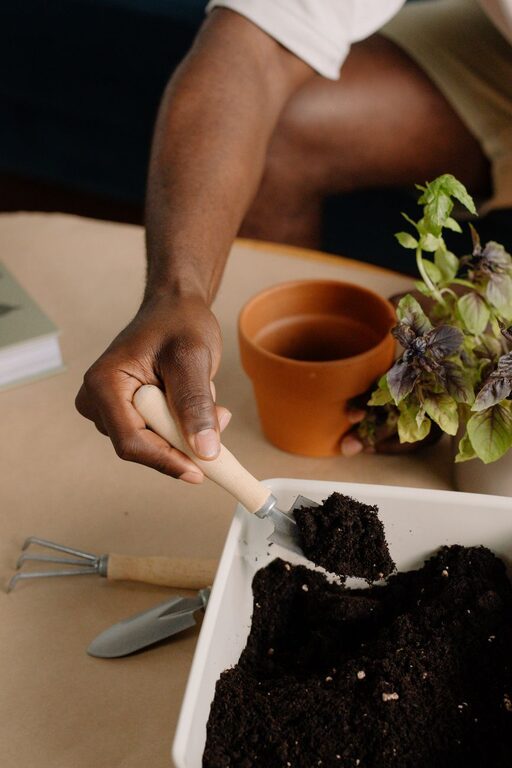
Step 1: Prepare the Containers
Choose pots that fit your space and have drainage holes. Fill them with potting mix, leaving about half an inch from the top.
Step 2: Plant Seeds or Transplants
– For seeds, follow the package instructions for planting depth.
– For transplants, gently remove them from nursery pots and loosen the roots before placing them in soil.
Lightly press soil around the base, then water thoroughly.
Step 3: Position Your Herbs
Place your pots near a window with at least 6 hours of sunlight daily. Rotate them regularly to ensure even growth.
Step 4: Water and Care
– Water your herbs when the top inch of soil feels dry.
– Avoid overwatering – soggy soil can cause root rot.
– Mist leaves occasionally to increase humidity.
– Apply fertilizer every few weeks to promote growth.
Common Indoor Herb Gardening Tips
– Keep an eye on pests: Indoor plants are less prone to pests, but occasional aphids or spider mites may appear. Wipe leaves gently or use natural pest control.
– Prune regularly: Harvest leaves often by pinching off tips. This encourages bushier growth and prevents herbs from flowering too soon.
– Ensure good airflow: Avoid overcrowding plants to reduce disease risks.
– Adjust watering in winter: Plants need less water when they grow slowly in cooler months.
– Watch for leggy growth: If herbs stretch toward the light, they may need more sun or supplemental lighting.
Harvesting and Using Your Indoor Herbs
You can start harvesting herbs once they have several sets of leaves. Use scissors to snip stems, preferably in the morning when oils are strongest. Fresh herbs add flavor to meals, teas, and even homemade beauty products.
If you have more than you can use, dry or freeze your herbs for later. Simply hang branches upside down in a dry, well-ventilated area or freeze chopped leaves in ice cube trays with a bit of water.
Troubleshooting Common Issues
– Yellowing Leaves: May indicate overwatering or poor drainage.
– Wilting Plants: Often a sign of underwatering or too much direct sun.
– Slow Growth: Could mean inadequate light or nutrients.
– Leaf Drop: Check for drafts, sudden temperature changes, or pests.
By adjusting care and monitoring your plants, you can keep your indoor herb garden healthy and productive.
Final Thoughts
Starting a small indoor herb garden doesn’t require a green thumb or a lot of space. With the right herbs, containers, light, and care, you can grow flavorful, fresh herbs all year. Enjoy the process and the added touch of nature in your home!
Happy gardening!
